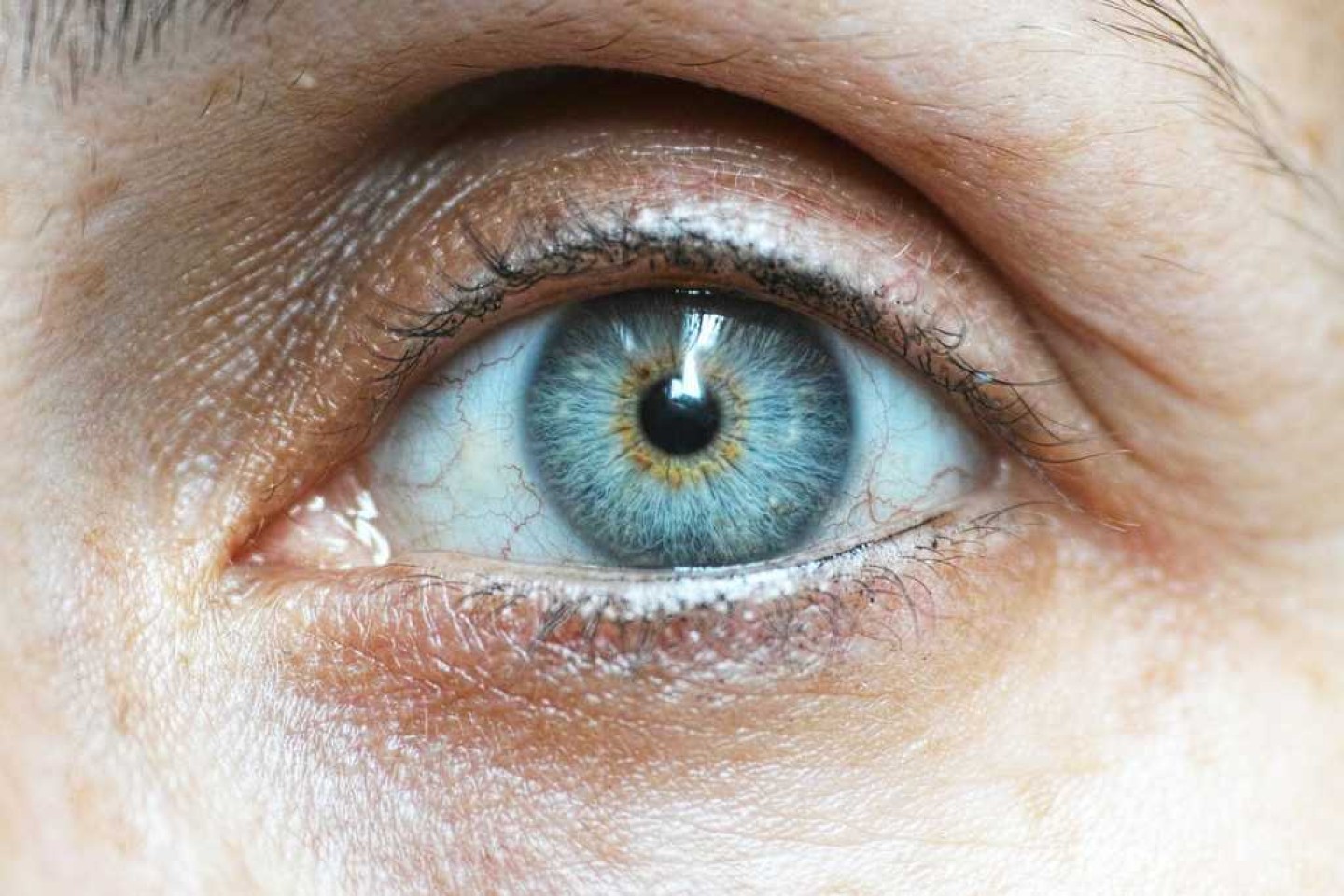
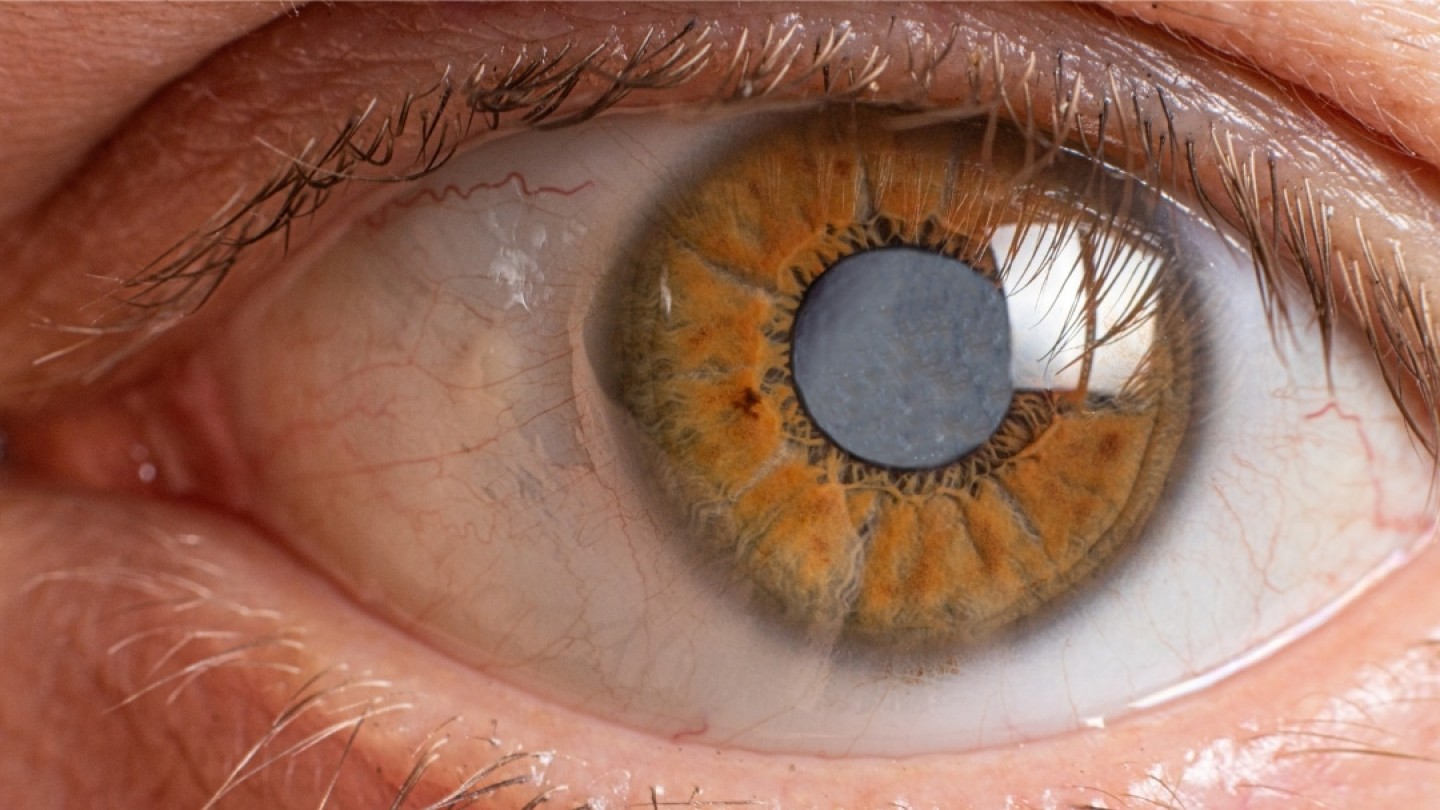
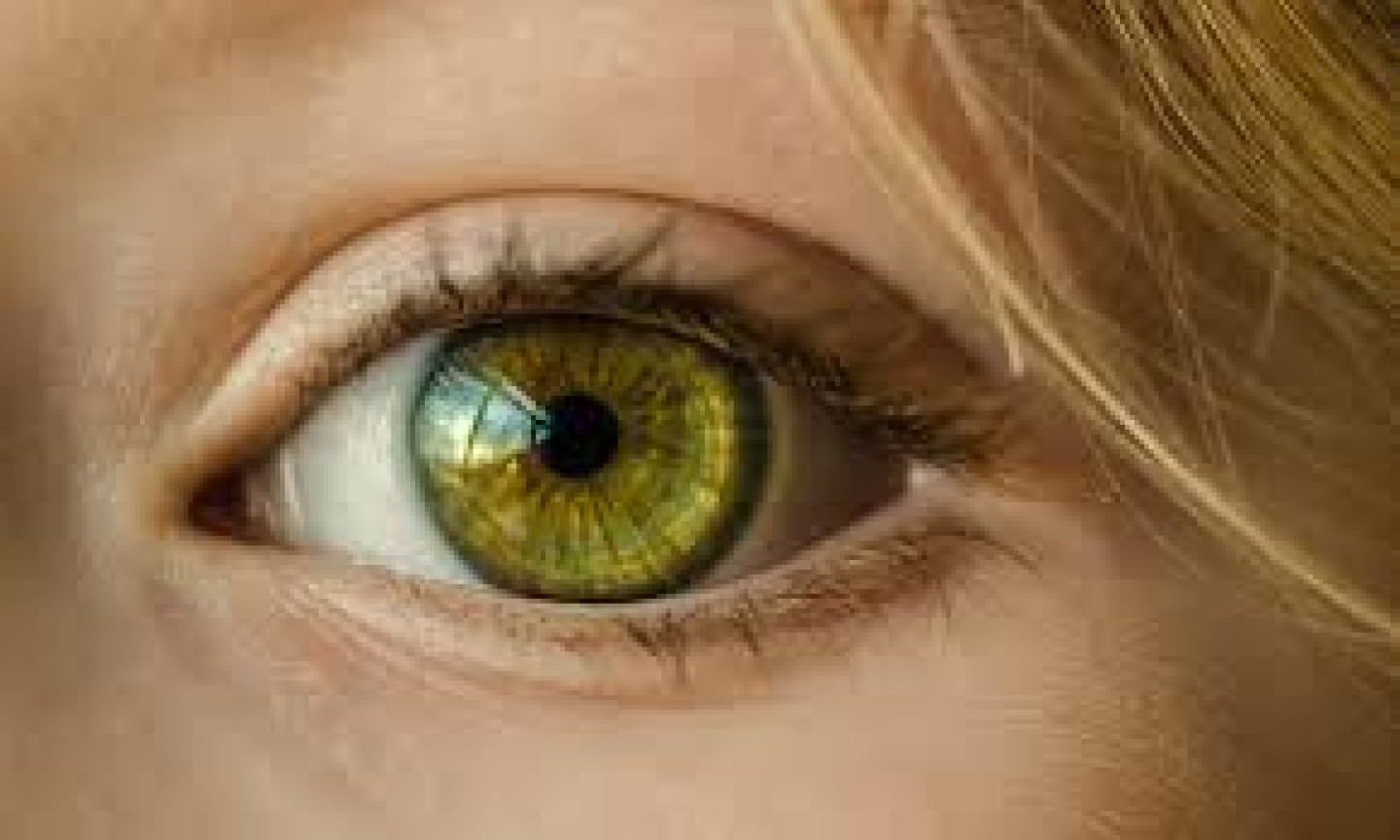
Dry eye syndrome is one of the most common diseases of the eye surface. It affects an increasing percentage of the population and is mainly associated with prolonged viewing of computers, mobile phones, or other displays. Typical symptoms include burning, foreign body sensation, redness, blurred vision, or sensitivity to light. If left untreated, the problem can lead to inflammation and damage to the eye. The cause is either insufficient tear production or poor tear quality. The tear film consists of three layers – lipid, aqueous, and mucous. If these layers are weakened (for example, due to insufficient blinking), the surface of the eye dries out quickly. Paradoxically, dry eye syndrome can also manifest itself as excessive tearing – however, this is a problem of quality, not quantity of tears.
The most common causes of dry eye syndrome:
- prolonged work on a computer or watching screens,
- use of certain medications,
- hormonal changes (menopause, contraception),
- diseases such as diabetes, autoimmune and skin diseases,
- dusty or smoky environments, smoking and stress,
- frequent wearing of contact lenses.
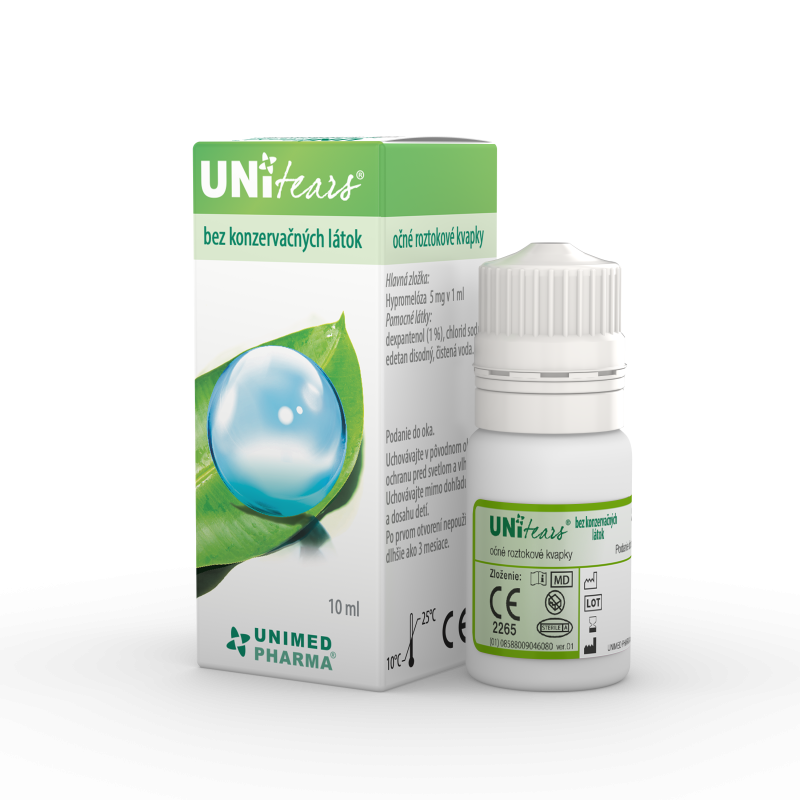
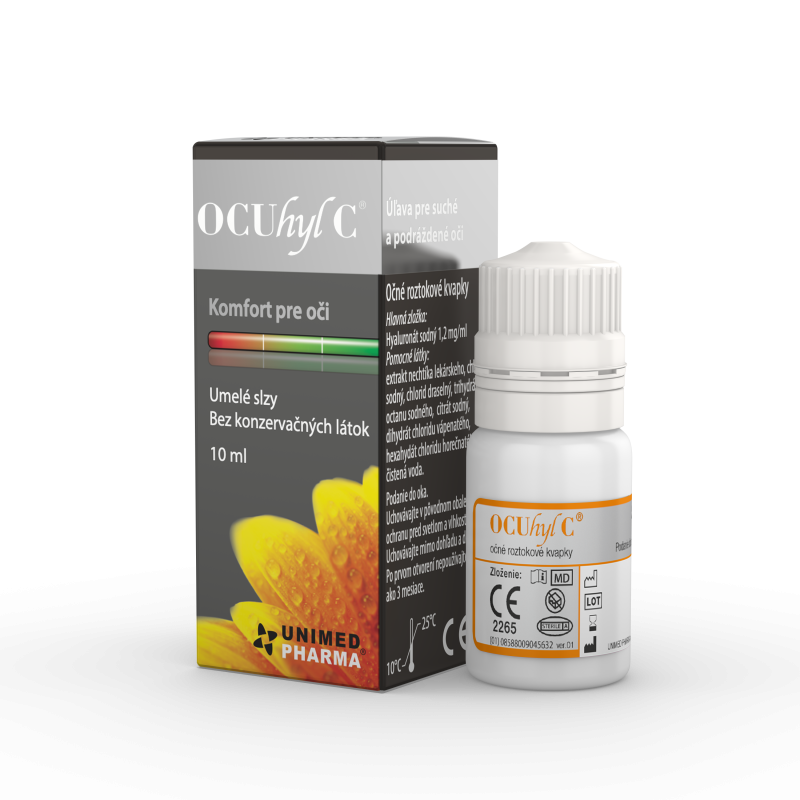
Artificial tears (e.g. UNItears, Ocuhyl C or SensiVIT) are recommended as first aid. They moisturize the surface of the eye, remove foreign particles, and provide relief. The exact dosage may vary - follow the manufacturer's instructions. If problems persist, it is necessary to consult an ophthalmologist.
Tips to keep your eyes healthy:
- Maintain proper hydration and avoid smoky environments.
- Blink regularly, especially when working on a computer.
- Use humidifiers in your home or office.
- Protect your eyes from the sun by wearing quality sunglasses with UV protection.
- Do not neglect regular eye examinations.
You can check the stability of your tear film yourself with a simple test (NIBUT – non-invasive tear film break-up time). If symptoms appear within 5 seconds after blinking, it is likely that you have dry eye syndrome. In this case, do not hesitate to seek professional help.